Jellyfish Watercolor Illustrations Colle: A Stitch Review
First Impressions: Translating Fluid Art to Thread
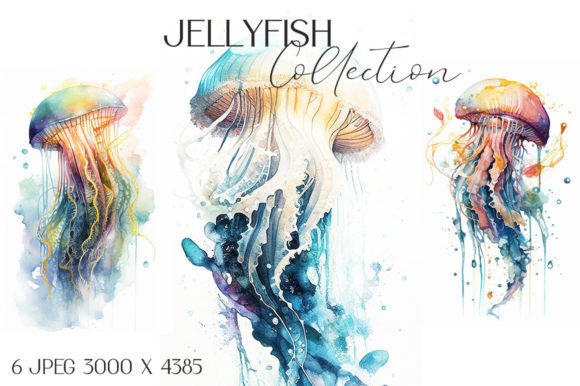
When I first opened the Jellyfish Watercolor Illustrations Colle, my immediate reaction was a mix of admiration and caution. As an embroidery digitizer and product reviewer, I have seen countless aquatic designs that fail because they try too hard to replicate paint with thread. Watercolor is defined by its transparency and bleeding edges, while machine embroidery is inherently opaque and structured. However, this collection manages to bridge that gap beautifully. The illustrations possess a softness that suggests the artist understands how ink behaves on wet paper, but more importantly, how those gradients might translate into variegated thread colors or blended fill stitches.
The mood is distinctly ethereal and calming. Unlike bold, graphic nautical themes often found in commercial embroidery files, these jellyfish feel organic and delicate. For a designer, this signals a specific market niche: nursery decor, boutique apparel, and high-end personalized gifts rather than generic beachwear. The visual personality leans toward artistic interpretation rather than scientific accuracy, which actually makes it superior for textile applications where drape and fabric texture play a role in the final aesthetic.
Real-World Application: The Linen Tote Bag Test
To truly evaluate this collection, I moved beyond the screen and tested it on a real project. My scenario involved creating a premium linen tote bag for a small shop client who wanted a "coastal grandmother" aesthetic without resorting to cliché anchors or starfish. I selected one of the mid-sized jellyfish illustrations from the collection to serve as the centerpiece.
During the stitching process, I paid close attention to how the design handled the natural slubs of the linen. Because watercolor-style embroidery relies heavily on stitch direction and density variation to mimic brushstrokes, the interaction with fabric texture is critical. In this case, the Jellyfish Watercolor Illustrations Colle performed admirably. The fill stitches were not so dense that they caused puckering, yet they had enough coverage to prevent the linen from showing through awkwardly. The tentacles, which are often the failure point in aquatic designs due to jumping stitches or tension issues, flowed naturally. They utilized a combination of running stitch and light satin stitch outlines that allowed the fabric to remain flexible.
The finished product looked intentional and expensive. It did not look like a sticker ironed onto a bag; it looked like art stitched into the fiber. This distinction is vital for Etsy sellers and craft business owners. Customers can spot a poorly digitized design instantly. When the thread work respects the source illustration, the perceived value of the handmade product increases significantly, justifying a higher price point.
Fabric Compatibility and Hoop Considerations
While the design shines on stable, natural fibers, you must approach other substrates with care. Based on my review, here is where you should exercise caution when using these illustrations:
- Stretchy Knits and Sweatshirts: Watercolor effects require precise stitch placement to create gradient illusions. On stretchy fabrics like jersey or fleece, even minor distortion can ruin the effect. If using this for sweatshirt embroidery, use a heavy-duty cutaway stabilizer and consider topping to keep the stitches crisp.
- Dark Fabrics: These illustrations rely on light passing through layers to simulate transparency. On black or navy fabric, the watercolor effect will disappear unless you stitch a white underlay base first. Check your embroidery file to see if a background base is included; if not, you may need to add one manually.
- Small Hoop Sizes: Reducing complex watercolor illustrations below their intended size is risky. The delicate details in the tentacles and bell margins can become muddy or cause needle breaks if the stitch density becomes too tight. Always verify the minimum recommended hoop size before resizing.
- Sheer or Lightweight Fabrics: While the theme suits voile or organza, the stitch count required for the watercolor effect might be too heavy. Test on scrap fabric first to ensure the garment does not sag under the weight of the thread.
Commercial Viability for Makers and Sellers
For creative entrepreneurs, the versatility of the Jellyfish Watercolor Illustrations Colle extends beyond apparel. During my evaluation, I found these designs particularly strong for baby embroidery projects. The soft lines and lack of sharp edges make them ideal for onesies, blankets, and nursery pillows. Parents are often hesitant about rough textures against sensitive skin, and the stitch architecture here feels smooth to the touch.
From a digital product seller's perspective, these illustrations also work exceptionally well for printable mockups. Because the art style is distinct, it stands out in crowded marketplace search results. If you are selling finished goods, photographing the embroidery on a textured background enhances the watercolor illusion. For those selling the digital embroidery file itself, providing clear photos of test stitches on various fabric types builds buyer trust and reduces customer service inquiries regarding compatibility.
However, always confirm licensing terms before integrating these assets into your commercial embroidery workflow. Ensure you have the rights to sell finished physical products versus digital files, as these permissions often differ. Professionalism means respecting intellectual property as much as mastering stitch density.
Designer Notes for Optimal Results
To get the most out of this collection, treat it as a collaborative medium rather than a plug-and-play solution. Here are my practical recommendations for achieving professional results:
- Thread Color Selection Matters: Do not rely solely on auto-digitizing color matching. Watercolor requires nuance. Use variegated threads or blend three similar shades within the same hue family to create depth. A single solid blue will flatten the design and lose the illustrative quality.
- Stabilizer Strategy: Match your stabilizer to the end-use. For tea towels and tote bags, a tear-away or wash-away works well. For baby items or wearables, use a soft cutaway to prevent scratchiness. The goal is to support the intricate fill stitches without adding unnecessary bulk.
- Test Before Selling: Never run a new design directly onto a saleable item. Stitch a sample on the exact fabric you intend to use. Inspect the registration between color changes and check for any gaps where the fabric shows through unintentionally.
- Maintain Aspect Ratio: When resizing, lock the aspect ratio. Stretching a jellyfish vertically or horizontally distorts the anatomy and ruins the artistic flow. If you need a different shape, look for alternate poses within the collection rather than warping the existing embroidery file.
- Check Small Details: Zoom in on the digital file before stitching. Ensure that tiny accent stitches or decorative dots are large enough for your machine to handle reliably. If they look questionable on screen, delete them or replace them with a simple running stitch.
Final Verdict on Usability
The Jellyfish Watercolor Illustrations Colle is a sophisticated asset for makers who understand that embroidery is an interpretation of art, not a photocopy. It demands a bit more attention to stabilizer choice and thread selection than standard block-letter designs, but the payoff is a finished product that feels curated and high-value. Whether you are embellishing custom apparel, creating holiday gifts, or expanding your Etsy shop’s inventory with unique nursery decor, this collection offers a refreshing alternative to standard marine motifs. Just remember to respect the delicacy of the design in your material choices, and let the thread do what it does best: add texture to the dream.