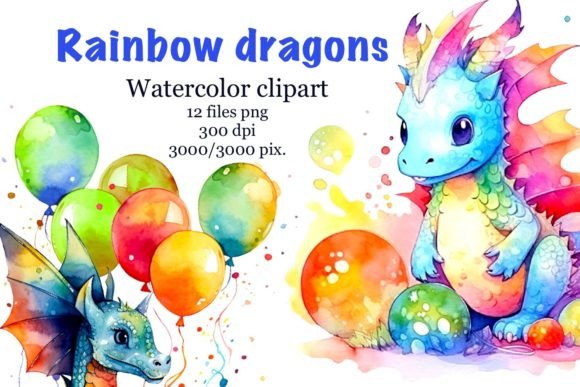
Rainbow Dragons Watercolor Clipart for Embroidery
As a designer who spends more time behind an embroidery machine than a computer screen, I approach digital assets with a healthy dose of skepticism. When I first opened the Rainbow Dragons, Watercolor Clipart files, I wasn't just looking for cute aesthetics; I was mentally digitizing them. For those of us running a craft business or managing an Etsy shop, pretty pictures are only half the battle. The real test is whether that artwork translates into a viable machine embroidery design that stitches out cleanly and sells well. After reviewing this collection, I see immense potential for specific niches, provided you understand how watercolor aesthetics interact with thread and fabric.
First Impressions: Whimsy Meets Stitch Reality
The immediate mood of these rainbow dragons is soft, nostalgic, and distinctly nursery-friendly. Unlike harsh vector art, the watercolor edges offer a dreamy quality that customers love for baby embroidery and personalized gifts. However, as an experienced reviewer, my first thought was about edge definition. Watercolor clipart often features bleeding colors and soft gradients that don't have natural stopping points for a needle. Visually, they are stunning. Practically, they require a digitizer who understands how to map fill stitch areas without creating bulletproof patches of thread. The personality here is gentle, making it ideal for sweatshirt embroidery or nursery decor, but perhaps too delicate for rugged outdoor gear.
Real-World Application: The Custom Tote Bag Test
To truly evaluate this asset, I imagined a recent client request: a custom canvas tote bag for a children’s bookstore launch. They wanted something magical but durable. Using Rainbow Dragons, Watercolor Clipart as the base for this tote bag design presents a unique opportunity. Canvas provides a stable foundation, but its texture can eat up fine details. In this scenario, I would advise against trying to replicate every watercolor brushstroke with thread. Instead, use the clipart as a guide for larger color blocks.
For this project, the dragon’s body could utilize a textured fill stitch to mimic the painted look, while the rainbow elements might benefit from variegated threads to reduce stitch count and add organic color shifts. This approach maintains the artistic integrity of the original clipart while ensuring the finished product remains soft and flexible. Customers buying handmade items expect quality; a stiff, dense design on a tote bag feels cheap. By respecting the source material's fluidity, you create a personalized gift or retail item that feels high-end and thoughtful.
Navigating Fabric Choices and Stabilizer Needs
Where you place this design matters as much as how you stitch it. Because these dragons feature intricate color blending, they perform best on smooth, light-colored fabrics. Dark fabrics are a significant risk; unless you plan to add a white underlay or applique base, the subtle watercolor hues will disappear. I’ve seen too many Etsy seller listings where beautiful pastel designs get lost on navy sweatshirts because the contrast wasn't tested.
Stabilizer choice is non-negotiable here. If you are attempting this as a baby embroidery project on onesies or knit fabrics, you must use a cut-away stabilizer to prevent puckering. The organic shapes of rainbow dragons often involve diagonal stitch lines that can distort stretchy material. For woven fabrics like tea towels or pillow covers, a medium-weight tear-away usually suffices. Always check your hoop size before committing; scaling down complex watercolor art too much results in muddy details. If the design loses clarity at smaller sizes, save it for larger formats like blankets or wall hangings rather than forcing it onto a cap or pocket.
Commercial Viability for Makers and Sellers
For the small shop product lineup, versatility is key. Since this falls under Freebies, it offers a low-risk entry point for testing new markets. However, free does not mean unlimited commercial rights. Before listing any custom apparel or digital products derived from this art, verify the licensing terms explicitly. Assuming you have clearance, these dragons are gold for seasonal sales. Think beyond standard nursery items; consider holiday embroidery for Christmas stockings or Easter baskets where the rainbow palette fits naturally.
From a branding perspective, consistency builds trust. If your shop specializes in boho or woodland themes, these watercolor dragons align perfectly. They elevate your design assets library without requiring expensive custom illustration fees. Just remember that professional presentation requires honest mockups. Use printable mockup templates that show realistic fabric texture rather than flat digital overlays. Buyers need to visualize how the embroidery file will actually look on their chosen garment. Transparency about stitch texture and color variations reduces returns and increases buyer confidence.
Critical Designer Notes for Success
Before you hoop up your good fabric, treat this clipart with the respect due any complex artwork. Here are my practical recommendations for integrating Rainbow Dragons, Watercolor Clipart into your workflow:
- Test Stitch First: Never run a new design directly on a sellable item. Stitch a sample on scrap fabric similar to your final project to check registration and density.
- Audit Stitch Density: Watercolor effects can lead to excessive stitch counts. Ensure the digitized version isn't too dense for the fabric weight, especially for commercial embroidery production runs.
- Thread Color Matching: Digital screens lie. Compare your physical thread colors against the clipart in natural lighting. Pastels often shift significantly between screen and spool.
- Check Small Details: Inspect eyes, claws, and rainbow tips. If they are tiny satin stitches, they may pull out or get lost. Consider converting micro-details to running stitches or omitting them.
- Verify Licensing: Confirm whether the digital embroidery file allows for selling finished goods versus digital transfers. Protect your business by knowing the rules.
- Fabric Texture Matters: Avoid highly textured fabrics like terry cloth or fleece unless you use a topping. The watercolor nuance requires a smooth canvas to shine.
Elevating Your Handmade Product Value
Ultimately, Rainbow Dragons, Watercolor Clipart represents a bridge between digital art and tactile craft. When executed correctly, it transforms a basic embroidered patch or garment into a piece of art. The value lies not just in the image itself, but in your technical ability to interpret it through thread. Customers pay for that interpretation. They want the softness of watercolor combined with the durability of embroidery. By approaching this design with technical mindfulness—respecting fabric limitations, stabilizer requirements, and color theory—you ensure that your handmade product stands out in a crowded marketplace. Whether you are creating a one-of-a-kind personalized gift or stocking your shelves for the busy season, let practical craftsmanship guide your creative choices.