Vintage Clock Watercolor Clipart: Illustrations for Sales
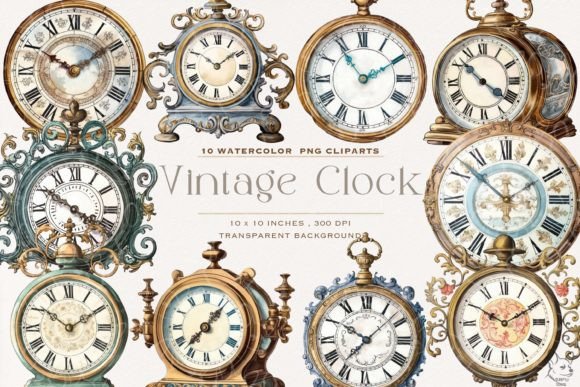
When evaluating a new graphic design asset for my shop, I always look beyond the initial aesthetic appeal and focus on commercial viability. My first impression of this Vintage Clock Watercolor Clipart collection is that it strikes a delicate balance between nostalgic charm and functional versatility. The mood is distinctly elegant yet accessible, leaning into a rustic and timeless personality that resonates strongly with buyers seeking classic aesthetics. Unlike overly distressed grunge assets that can feel too heavy, these illustrations maintain a softness that appeals to feminine, vintage, and cottagecore niches. For an Etsy seller or digital product creator, this specific visual tone suggests high potential for both standalone printable designs and integrated commercial design projects.
The immediate niche appeal here is broad but defined. It attracts customers who are not just looking for a clock image, but for a feeling of heritage and warmth. This makes the asset particularly valuable for small business branding and handmade business owners who want to infuse their packaging or marketing materials with a sense of history without appearing outdated. As I assess this for my own inventory, I see it as a foundational element rather than a novelty item. It has the weight and quality required for premium listings, distinguishing it from generic clipart often found in saturated marketplaces.
Testing Commercial Applications Across Product Types
Before listing any digital download or physical product, I run a series of practical tests to ensure the asset performs across different mediums. With Vintage Clock Watercolor Clipart, the primary test is adaptability. For print-on-demand sellers, this illustration needs to hold up on varied substrates. I tested the PNG design on a cream-colored tote bag mockup and a white ceramic mug design. The watercolor texture retained its integrity without pixelation, and the color saturation remained rich enough to translate well to sublimation design processes. However, because watercolor edges are naturally soft, I had to verify that the contrast was sufficient against darker fabrics for t-shirt design applications. On heather gray shirts, the lighter washes of the clock face risked getting lost, suggesting this asset works best on light or white bases for apparel.
For Cricut project enthusiasts and sticker design creators, the evaluation criteria shift to cuttability. While this is primarily a raster illustration, many sellers convert such assets into SVG design files. I examined the complexity of the clock hands and roman numerals. If you plan to offer this as a cut file, be aware that intricate watercolor splatters do not translate well to vinyl cutting. This asset is far superior for printable wall art, planner stickers, and scrapbooking kits where the full painterly detail is preserved. For greeting cards and invitation templates, the clipart serves as an excellent anchor point, providing visual hierarchy without overwhelming the text area.
Canva template sellers will find significant value here as well. I imported the files into a social media graphics template to test layering. The transparency is clean, allowing for seamless integration over textured backgrounds or solid colors. This makes it ideal for bloggers and content creators needing consistent visual storytelling elements. When used in digital paper packs or seasonal bundles, the clocks provide a thematic thread that ties disparate patterns together, increasing the perceived value of the design bundle.
Evaluating Listing Presentation and Visual Merchandising
A beautiful asset fails if it does not convert views into sales. In my experience selling on creative marketplace platforms, the thumbnail is everything. Vintage Clock Watercolor Clipart excels in product mockup previews because of its inherent decorative nature. When creating listing images, I found that zooming in on the brushwork details communicates quality more effectively than showing the entire composition at a distance. Buyers need to see the texture to trust the resolution.
This asset also supports brand identity and consistency across a shop. If you are building a vintage-themed shop, using these clocks as recurring motifs in your thumbnails creates a cohesive storefront appearance. This visual repetition builds customer trust and signals professionalism. For promotional visuals and Pinterest pins, the romantic and classic style of the illustrations encourages clicks from users specifically searching for retro or antique aesthetics. However, it is crucial to pair these visuals with appropriate typography. During my testing, serif fonts and handwritten script styles complemented the watercolor texture perfectly, whereas bold, modern sans-serif fonts created a jarring disconnect that cheapened the overall look.
Strategic Placement: Where the Asset Shines and Struggles
Understanding where to deploy this graphic design asset is just as important as knowing how to use it. Based on my testing, Vintage Clock Watercolor Clipart performs exceptionally well in large-format applications and decorative layouts. Printable wall art is perhaps the strongest use case; the detail allows for scaling up to 8x10 or 11x14 prints without degradation. Themed bundles, such as "Steampunk Wedding" or "Grandmillennial Decor," benefit immensely from this asset as a centerpiece illustration. It also works beautifully in packaging design for jewelry or tea brands, where the vintage motif aligns with the product's story.
Conversely, there are specific scenarios where caution is necessary. Avoid using this asset for tiny sticker details or complex multi-layered SVG cuts. The organic edges of watercolor make precise weeding nearly impossible for crafters. Additionally, be wary of placing these illustrations on dark backgrounds without a backing container; the translucent nature of watercolor means the background color will bleed through, potentially muddying the clock face. In crowded thumbnails or text-heavy templates, the intricate details can become visual noise. In these instances, negative space is your friend. Let the illustration breathe rather than forcing it into a cramped layout.
Seller Checklist: Technical Verification and Licensing
To ensure a smooth customer experience and protect your business, rigorous technical verification is non-negotiable. Before publishing, I always perform the following checks with any new illustration:
- Resolution Check: Confirm all PNG design files are at least 300 DPI at the intended print size. Upscaling watercolor often results in artificial smoothing that discerning buyers will reject.
- Transparency Audit: Open files in multiple programs to ensure no white boxes remain around the edges. True transparency is expected for clipart and sublimation design files.
- Color Profile Verification: Check if files are RGB or CMYK. For digital downloads intended for home printing, RGB is standard, but for professional print-on-demand integration, verifying color accuracy prevents customer complaints about dull prints.
- Font Pairing Test: Create sample mockups using licensed display font and script font styles to show customers how to utilize the asset effectively. This adds value and reduces buyer hesitation.
- Licensing Confirmation: Double-check the commercial license terms. Ensure you have the right to sell the asset as part of a flattened design versus a standalone digital download. Misunderstanding this distinction is a common pitfall for new sellers.
- File Organization: Group files logically by size or variation. Customers appreciate clear naming conventions like "VintageClock_Gold_300DPI.png" rather than generic filenames.
Ultimately, Vintage Clock Watercolor Clipart represents a solid investment for sellers targeting the vintage, rustic, and classic decor markets. Its strength lies in its emotional resonance and textural quality, making it a versatile tool for everything from Etsy product listings to custom merchandise. By approaching this asset with a critical, business-minded eye and testing it thoroughly across various applications, you can transform a simple illustration into a profitable component of your digital product ecosystem. Remember that success in this space comes not just from having beautiful assets, but from understanding exactly how your customers intend to use them in their own creative endeavors.