Watercolor Floral Elemental Dragons: A Stitch Test
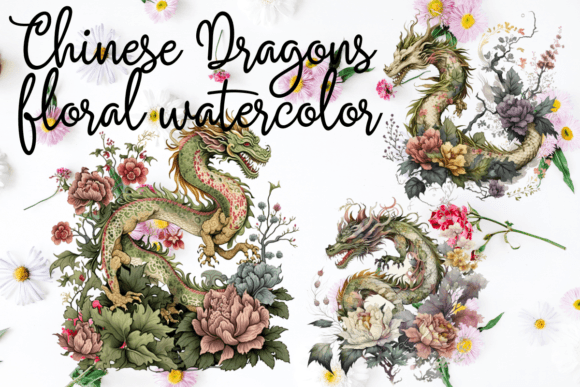
When I first loaded the Watercolor Floral Elemental Dragons design into my embroidery software, I wasn't just looking at a pretty picture; I was mentally calculating stitch paths, density maps, and potential registration issues. As a designer who creates products for both personal keepsakes and commercial sale, I know that an illustration on a screen behaves very differently once needle meets fabric. This specific machine embroidery design sits in a unique intersection of fantasy art and botanical softness, but translating that watercolor aesthetic into thread requires a critical eye before you commit to a full production run.
The Visual Mood and First Impressions
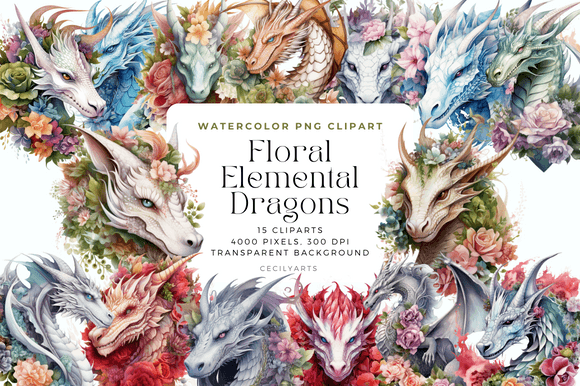
The immediate appeal of Watercolor Floral Elemental Dragons lies in its juxtaposition. Dragons are typically rendered with hard lines, metallic sheens, and aggressive postures. Here, the integration of floral elements softens the silhouette, creating a mood that is whimsical rather than intimidating. For an embroidery project, this is significant. The organic shapes of the flowers naturally lend themselves to varied stitch angles, which is essential for mimicking a painted look. However, as a reviewer, my first concern is always clarity. Does the dragon read as a distinct creature, or does it get lost in the foliage? In this design, the balance feels intentional. The elemental aspect suggests movement and flow, which translates well to satin stitch borders and directional fill stitches, provided the digitizer has respected the grain of the "watercolor" effect.
Real-World Application: The Custom Tote Bag Test
To truly evaluate this digital embroidery file, I approached it with a specific client scenario in mind: a custom embroidered tote bag for a boutique bookstore’s summer reading program. They wanted something that felt magical yet mature enough for adult readers. Canvas totes are unforgiving; they have a coarse fabric texture that can swallow fine details, and they require durability.
I envisioned placing the Watercolor Floral Elemental Dragons centrally on a natural cotton canvas. The challenge here was contrast. Watercolor styles often rely on subtle color blending, which can disappear against unbleached canvas if the thread colors aren't saturated enough. During my assessment, I noted that this design works best when the floral elements use high-contrast thread colors against the base fabric. If you are stitching this on a dark navy sweatshirt or a black apron, you must ensure the design includes a white or light underlay base. Without it, the delicate watercolor illusion will fail, and the dragon will look muddy. For the tote bag specifically, the size was crucial. I would avoid shrinking this design below 5x7 inches. The intricate interplay between the dragon scales and flower petals needs physical space to maintain definition. At smaller sizes, those beautiful illustrative details risk becoming a dense, stiff patch of thread that distorts the bag's drape.
Fabric Compatibility and Stabilizer Strategy
Not every handmade product is a suitable canvas for this level of detail. Based on the visual complexity of Watercolor Floral Elemental Dragons, here is how I judge its performance across different substrates:
- Sweatshirts and Fleece: Excellent choice. The pile of the fabric adds depth to the watercolor effect. Use a heavy cut-away stabilizer to prevent puckering around the dense floral areas.
- Baby Clothes and Onesies: Proceed with caution. While the theme is perfect for nursery decor or baby embroidery, check the stitch density. If the center is too dense, it will create a rigid spot against sensitive skin. You may need to edit the file to reduce fill stitch density by 10-15% for infant wear.
- Caps and Hats: Difficult. The curved surface of a cap fights against the flat, painterly perspective of this illustration. Unless the design has been specifically digitized for caps with center-out sequencing, stick to flat surfaces like pillow covers or tea towels.
- Sheer or Lightweight Fabrics: Avoid. The stitch count required to achieve the watercolor gradient will likely tear through voile or lightweight linen. This design demands a stable foundation.
Commercial Viability for Etsy Sellers and Makers
For creative entrepreneurs and Etsy sellers, time is money. You cannot afford to spend three hours hooping and re-hooping because a design doesn't align. Watercolor Floral Elemental Dragons offers high perceived value because of its artistic complexity. Customers recognize that this isn't a generic clip-art outline; it looks like a premium, bespoke piece of art. This allows for higher price points on finished products like framed hoop art or personalized gifts.
However, professionalism hinges on execution. Before listing any item featuring this design, you must verify the licensing terms of the embroidery file. Ensure you have commercial rights for selling finished physical goods versus digital assets. Furthermore, consider your brand consistency. This illustration carries a specific cottage-core-meets-fantasy vibe. It pairs beautifully with earth tones, vintage aesthetics, and literary themes, but might clash with modern minimalist branding. When creating printable mockups for your shop listings, show the design on textured backgrounds that mimic the final embroidered texture. This manages customer expectations regarding the "painted" look versus actual thread sheen.
Critical Designer Notes for Success
If you decide to add Watercolor Floral Elemental Dragons to your library, treat it with the respect due to complex illustrations. Here are my non-negotiable steps for ensuring a professional result:
- Always Test Stitch: Never run this design directly on a final product without a test. Use a scrap of the exact fabric and stabilizer combination you plan to sell. Check for registration gaps between the dragon and the floral elements.
- Evaluate Thread Colors: Watercolor effects depend entirely on color blending. Compare your physical thread chart to the design’s color sheet. You may need to substitute threads to achieve the correct gradient on your specific machine brand.
- Check Hoop Size Limits: Confirm the design dimensions fit your hoop with adequate clearance. Crowding the hoop edges leads to tension issues that ruin detailed artwork.
- Inspect Small Details: Zoom in on the file in your editing software. Are there tiny running stitches that might break? Is the text (if included) legible at the intended size? If the smallest details are under 2mm, consider simplifying them for embroidery safety.
- Wash Testing: If selling apparel or kitchen items, wash your test sample. Watercolor-style fills can sometimes shift or gap after laundering if the underlay wasn't sufficient. Better to discover this now than after a customer return.
Final Verdict on Usability
Watercolor Floral Elemental Dragons is more than just a cute graphic; it is a versatile asset for makers who understand the technical requirements of translating art into thread. It shines in applications where the fabric supports detail, such as custom apparel, tote bags, and home decor. It demands patience regarding stabilization and color selection, but the payoff is a finished product that feels elevated and unique. Whether you are crafting a holiday gift or stocking your small shop merchandise, this design brings a narrative quality that simple logos cannot match. Just remember: trust your test stitch over your screen preview, and let the fabric guide your final choices. When executed correctly, this illustration transforms from a digital file into a tangible piece of storytelling that customers will cherish.