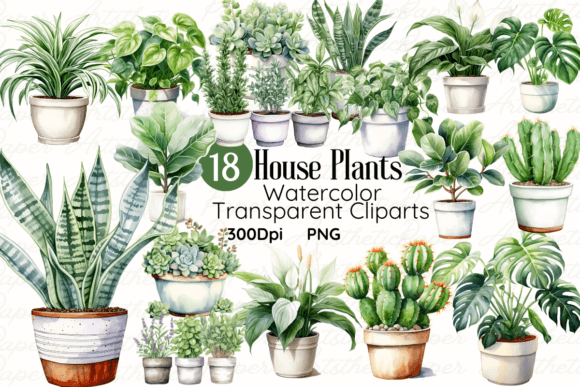
Watercolor House Plants Clipart Bundle: Editorial Illustrations
As a digital publisher and blog designer, my first interaction with any new graphic design asset is always a test of editorial versatility. When I opened the Watercolor House Plants Clipart Bundle, I wasn't just looking for pretty pictures; I was evaluating how these illustrations would perform across a live content ecosystem. The immediate impression is one of organic warmth and sophisticated calm. Unlike generic vector icons or overly saturated stock photos, this bundle carries a hand-painted authenticity that signals quality to the reader. It establishes a mood that is distinctly lifestyle-focused yet professional enough for serious content marketing. For niches ranging from indoor gardening and sustainable living to wellness coaching and feminine entrepreneurship, this aesthetic bridges the gap between personal artistry and commercial polish.
Elevating Blog Graphics and Featured Images
In real publishing workflows, the featured image is the handshake between your content and your potential reader. I tested elements from the Watercolor House Plants Clipart Bundle as central focal points for article headers, and the results were significant for visual hierarchy. Because watercolor textures have soft edges and natural color variations, they allow headline text to overlay cleanly without fighting for attention. This is crucial for web design where readability dictates engagement. When used as a website header or category thumbnail, these assets create an immediate sense of brand identity that feels curated rather than templated. For affiliate marketers in the home decor or plant care space, using these custom illustrations instead of manufacturer product photos can actually increase trust, as it frames the content as an expert editorial piece rather than a direct sales pitch.
Pinterest Pins and Social Media Click-Through Potential
Social media graphics require a different set of rules than on-page content. A Pinterest pin must arrest the scroll within milliseconds. I found that individual plant illustrations from this bundle work exceptionally well when scaled up against solid pastel backgrounds or subtle paper textures. The organic shapes break the rigid grid of social feeds, making pins stand out in crowded search results. For content creators managing multiple platforms, this bundle offers consistency. You can use a monstera leaf for an Instagram story background and a fiddle head fern for a Facebook ad, maintaining a cohesive visual language. This consistency is vital for small business branding, as it trains your audience to recognize your content instantly. The hand-drawn nature of the clipart also performs well in video thumbnails and Reels covers, adding a tactile element that polished 3D renders often lack.
Designing High-Converting Digital Products and Lead Magnets
Beyond standard blog posts, modern publishers rely on digital products to monetize traffic. I evaluated this bundle specifically for creating lead magnets and downloadable resources. When designing a PDF checklist, a plant care tracker, or a seasonal digital guide, the inclusion of high-quality watercolor elements elevates the perceived value of the freebie. A plain white worksheet looks like homework; a worksheet adorned with delicate botanical illustrations looks like a premium resource. This distinction directly impacts conversion rates on opt-in forms. Furthermore, if you are selling Canva templates or printable planners, this bundle serves as excellent raw material. The transparent backgrounds (assuming standard PNG delivery) make it effortless to drag and drop into layout software, allowing you to create sellable assets quickly. Just ensure you understand the specific commercial license terms before bundling them into products for resale.
Editorial Layouts and Newsletter Visuals
Email marketing often suffers from sterile, corporate aesthetics. Integrating the Watercolor House Plants Clipart Bundle into newsletter headers and section dividers can soften the tone and improve reader retention. In my testing, placing a small botanical accent next to a call-to-action button drew the eye naturally without being aggressive. For long-form editorial pieces, these illustrations serve as perfect visual breathers. Instead of breaking up text with unrelated stock photography, a relevant watercolor plant reinforces the article’s theme while giving the reader’s eyes a rest. This supports better time-on-page metrics, which is a key signal for SEO. The artistic style pairs beautifully with serif fonts for a magazine-like feel, or with clean sans-serifs for a modern, minimalist blog layout.
Strategic Placement: Where These Illustrations Shine
To maximize the ROI of this creative design asset, publishers should be strategic about placement. These illustrations work best in areas where emotion and atmosphere drive action:
- Hero Sections: Use large-scale compositions to set the tone for landing pages.
- Content Upgrades: Decorate the borders of embedded opt-in forms to make them feel like gifts.
- About Pages: Humanize your brand story with organic visuals that reflect growth and care.
- Seasonal Campaigns: Many house plants have seasonal associations, making them perfect for spring cleaning or winter cozy content.
- Media Kits: Impress potential sponsors with a professionally designed, visually rich rate sheet.
Navigating Limitations and Mobile Responsiveness
While versatile, watercolor is not a universal solution. As an experienced designer, I advise caution when using these assets in highly technical or corporate environments where precision is paramount. The soft edges can sometimes read as "messy" at very small sizes, such as mobile navigation icons or tiny footer badges. Always test your blog graphics on actual devices. What looks crisp on a 27-inch monitor may lose definition on a smartphone screen. Additionally, be mindful of contrast. Watercolors often contain light washes that disappear against white backgrounds or become muddy against dark modes. Ensure your illustrations have sufficient opacity or a backing shape to maintain visibility. Avoid using intricate botanical details in text-heavy areas where they might compete with body copy; reserve them for margins, headers, and dedicated graphic zones.
Publisher Notes: Technical Specs and Licensing Compliance
Before deploying the Watercolor House Plants Clipart Bundle on a monetized site, run through this practical checklist to ensure professional standards:
- File Optimization: Watercolor files can be heavy due to complex pixel data. Always compress images using tools like ShortPixel or TinyPNG to maintain fast load speeds. Slow sites kill rankings.
- Font Pairing Tests: Preview the clipart beside your site’s primary typefaces. Handwritten scripts can sometimes clash with hand-drawn art; often, a structured serif provides better balance.
- Licensing Verification: Confirm whether the commercial design rights cover affiliate links, sponsored posts, and digital downloads. Never assume unlimited usage from a creative marketplace purchase.
- Color Grading: Apply a consistent filter or adjustment layer across all clipart used on a single page to ensure they look like part of the same collection, even if they come from different sets.
- Accessibility: Remember to write descriptive alt text. Instead of "plant clipart," use "watercolor illustration of a potted snake plant on a wooden shelf" to support both SEO and screen readers.
Ultimately, the Watercolor House Plants Clipart Bundle is more than just decoration; it is a functional tool for content marketing. When applied with intention, it transforms generic web pages into immersive editorial experiences. For bloggers and entrepreneurs willing to invest time in proper integration, this asset offers a pathway to a more distinctive, trustworthy, and visually compelling online presence. Whether you are building a brand identity from scratch or refreshing an established publication, the organic appeal of these illustrations provides the human touch that algorithms cannot replicate and readers deeply crave.